Bad advice no. 1: don’t involve your sales team in the project
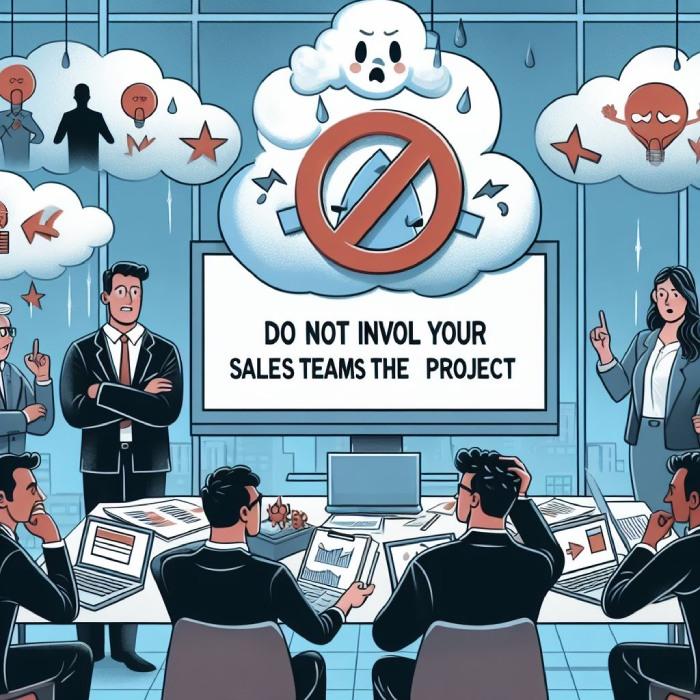
You have a CRM project and want performance indicators to manage your business, but you haven’t taken the time to discuss them with your team? Anyway, you assume they’re not interested and shouldn’t waste time on this kind of thing. They should be effective out in the field; that’s what really matters.
Or you could take the time to explain the importance of CRM indicators to all your teams, and design them together. This way, the data collected will be of better quality and will be used by your entire sales force.
Bad advice no. 2: load your salespeople with as much mandatory data entry as possible
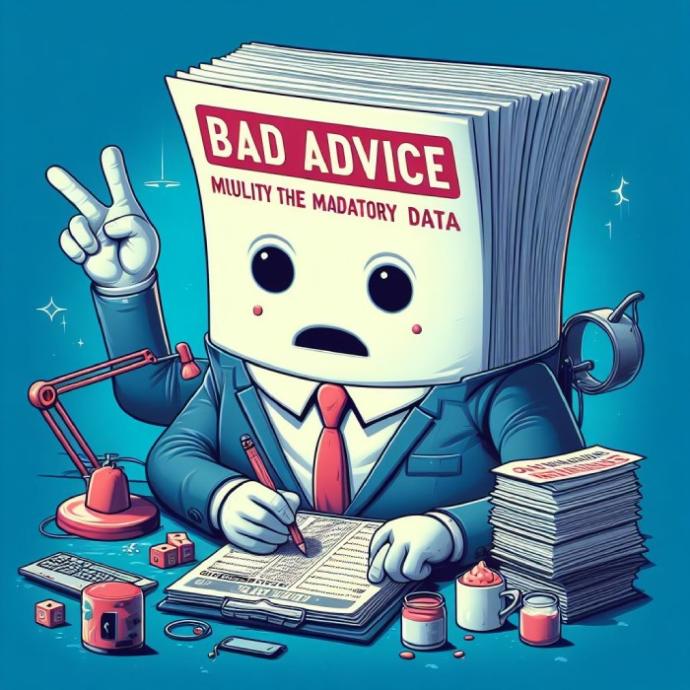
Your CRM software lets you aggregate the data your salespeople have to enter: date of first contact, calls made to secure an appointment, customer meeting, contract signing date…
It’s crucial to capture as much data as possible, even if it means spending a lot of time doing it. That way, your salespeople will spend less time in the field, but you’ll have qualified and complete customer records.
Or you can take the time, upfront, to define the essential data that each role needs so you can choose the right indicators. This way, your salespeople won’t feel overwhelmed and will enter the data properly. You’ll then have reliable, high-quality indicators indicators to monitor your business activity.
Bad advice no. 3: rely only on revenue and margin
Why not go to the other extreme? The only data you need are revenue and margin. Maybe the number of customers. But don’t waste time looking for new ones, you can manage your business with what you already have. with this data alone. And above all, do not distinguish between new and existing customers, the turnover of each sales representative and the effort put in by each person. All that matters is the final result!
Alternatively, you can define truly useful CRM performance indicators, which will allow you to manage your activity more precisely, monitor your team’s work, and measure the outcome against the effort invested.
Bad advice no. 4: do not prioritise your indicators
You finally made up your mind and chose 15 indicators, which you pull together into one global dashboard. As a result, it is impossible to digest, but at least it exists.
Alternatively, you can distinguish between the data you need on a daily basis and the data that will be useful when defining your annual strategy. This will allow you to build customised dashboards that are clearer and easier to read.
Bad advice no. 5: do not set up CRM alerts
Do not use CRM alerts. This will stress your salespeople; they will feel monitored. Besides, you have trained them, so all the data will surely be entered correctly. And you always keep an eye on ongoing cases, nothing gets past you.
Alternatively, you can set up an alert workflow system that progressively informs the hierarchy: from sales representative to sales manager, then to the sales director. This way everyone will be accountable, management will not be flooded with e-mails and no issues will be forgotten. Management can also create alerts to focus on the most important customers (key accounts).
Bad advice no. 6: do not challenge your sales representatives on the quality of the data provided
In your view, there’s no point in incentivising your sales reps with a premium for data quality. After all, it’s part of their day‑to‑day job: they just have to do it. Full stop.
Or you can offer a quality bonus in your CRM to motivate your teams to enter data correctly. Your sales reps will then be more careful. In turn, you’ll get higher‑quality data and therefore more reliable indicators.
Bad advice No. 7: don’t trust an experienced partner
You don’t have time to waste with your CRM integrator: you know your business better than he does, so you don’t see what value he can add. And if you ever have any questions, that’s what Google is for, right?
Or you can rely on your CRM partner. With his experience, he can advise you on both technical and organisational aspects… so it would be a pity not to make use of it. And with his external perspective and the many projects he has delivered for companies similar to yours, he’ll be able to challenge your thinking and bring you fresh ideas.
To sum up, take the time to define the right CRM indicators, involve your teams and, above all, don’t rush. That way, you’ll be able to manage your sales activity effectively!
Download white paper