
In the digital age, data management has become crucial for businesses of all sizes. Data is everywhere, from customer and sales information to internal processes and supply chains. To fully harness the potential of this data, organisations are increasingly turning to Enterprise Resource Planning (ERP) systems. In this article, we will explore how an ERP can transform your data management, the benefits it brings, and how it can enhance the overall performance of your business.
Understanding ERP and its data management capabilities
An ERP is an integrated management system comprising a suite of applications that manage and automate numerous business functions within an organisation. This software centralises data from various sources, making it accessible in real-time to all relevant departments. This centralisation improves data visibility and consistency, which is crucial for better management.
ERP tools include modules for managing finances, human resources, sales, purchasing, and production, allowing these functions to share information and collaborate more effectively. Additionally, its ability to provide an overview of business operations promotes better planning and more proactive management.
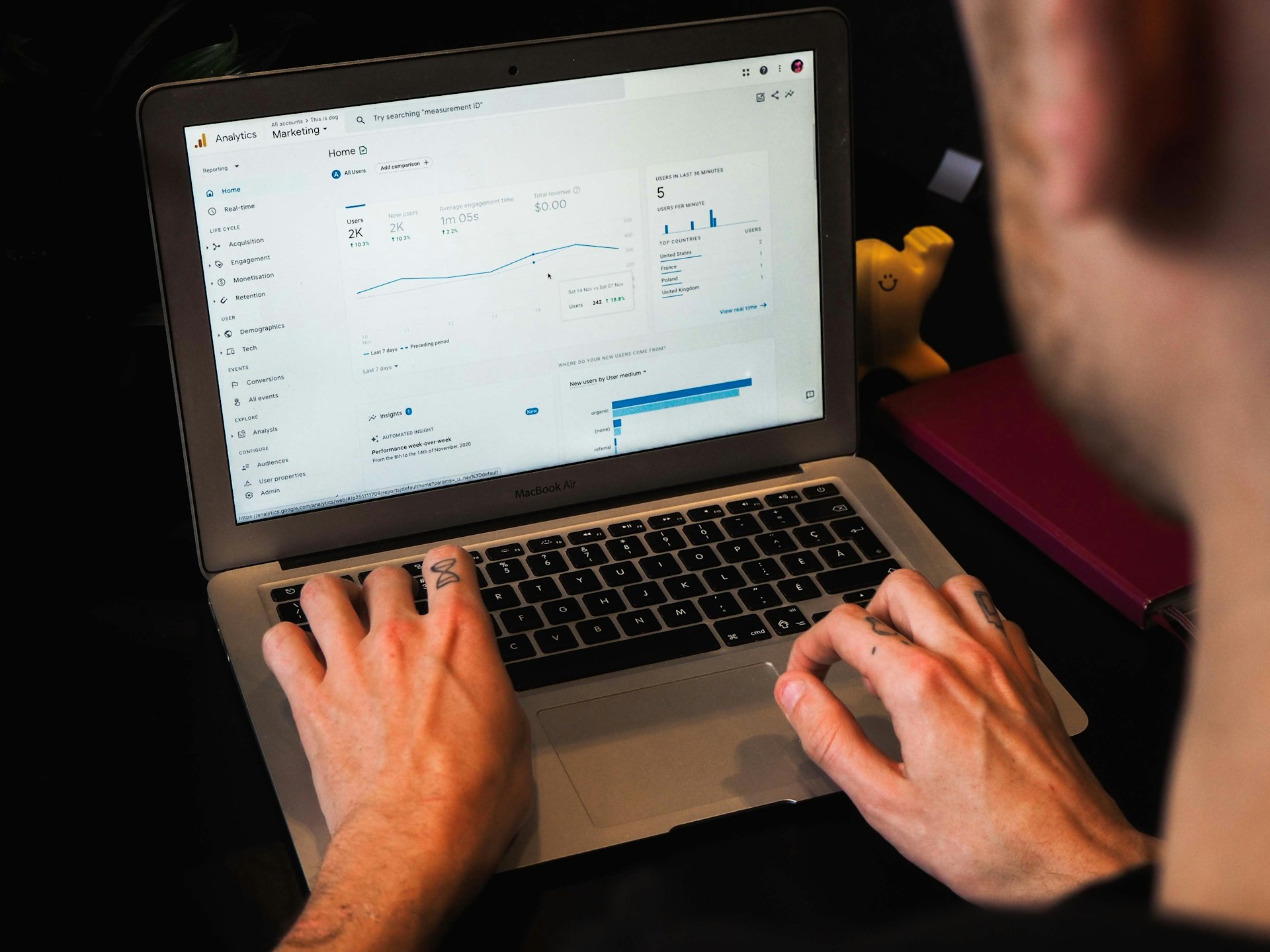
What are the benefits of ERP for leveraging your data?
Centralisation and accessibility of data
One of the main advantages of an ERP is data centralisation. Information is no longer siloed in different departments or systems but is available in one place. This means data can be shared and utilised across all ERP modules, facilitating collaboration and decision-making.
For example, sales data can be directly used by the production department to adjust inventory levels in real time, or by the finance department to forecast future revenues. This increased data accessibility not only enhances operational efficiency but also improves the company's responsiveness to market changes.
Improvement of data quality
An ERP also enhances data quality by eliminating duplicates and harmonising information, ensuring that data is up-to-date and accurate. This helps prevent costly errors and enables decision-making based on reliable information.
Therefore, standardising data formats and using strict validation rules ensure that entered information is consistent and correct. Moreover, real-time automatic updates of data reduce the risk of decisions being made based on outdated or incorrect information.
Data security
Data security is a major concern for businesses. An ERP provides robust security measures to protect all your company's data:
- Strict access controls
- Regular audits
- Data backup and recovery protocols
In the case of a company with sensitive information, an ERP allows you to restrict access to this information strictly to authorised personnel, whether for reading or writing, thereby minimising the risk of data theft and unauthorised modifications by users.
Audit logs, on the other hand, track changes made to data, providing a history of modifications and complete traceability of who made what changes. This allows you to identify potential issues, the user involved, and to retrain that user on ERP best practices.
Advanced analysis and reporting
Modern ERPs are equipped with advanced analysis and reporting tools. These features enable businesses to generate detailed reports and visualise data in a meaningful way. By leveraging these tools, organisations can identify trends, measure performance, and gain valuable insights to guide their strategy.
With interactive dashboards and data visualisation tools, managers can track key performance indicators in real-time, detect anomalies, and make quick, informed decisions. Advanced reporting capabilities also facilitate the communication of results to both internal and external stakeholders.

What is the impact of ERP on your company's performance?
Better decision-making
With centralised and reliable data, businesses can make more informed decisions. An ERP provides an overview of operations, enabling managers to quickly assess what is working and where adjustments are needed. This ability to react promptly to changes is crucial in a dynamic business environment.
For example, sales data can be directly used by the production department to adjust inventory levels in real time, or by the finance department to forecast future revenues. This increased data accessibility not only enhances operational efficiency but also improves the company's responsiveness to market changes.
Forecasting and planning
The forecasting and planning tools integrated into ERPs enable businesses to anticipate future needs more effectively. By analysing historical data and current trends, businesses can forecast demand, manage inventory, and plan resources more accurately. This results in cost reduction and improved customer satisfaction.
For example, demand forecasting algorithms can help anticipate seasonal variations and adjust inventory levels accordingly, thus avoiding stockouts or unnecessary surpluses. Additionally, resource planning optimises production capacity utilisation and minimises operational costs.
Operations optimisation
As discussed in our previous article on the Internet of Things (IoT), an ERP integrating IoT technologies can optimise operations. These connected devices collect real-time data, enabling better management of repetitive tasks, reducing human errors, and freeing up time for higher-value activities.
You can integrate inventory and production management systems, powered by IoT data, with your manufacturing company's ERP. IoT sensors will track each step of the production process in real-time, making it easier to identify inefficiencies and boost productivity. IoT devices will also enable proactive equipment monitoring managed through integrated management software, identifying anomalies before they cause costly interruptions and minimising unexpected downtime. These technologies will help improve operations while enhancing the company’s competitiveness.

How to maintain reliable data in your ERP?
Select mandatory fields before saving to ensure users fill in all essential data
To ensure all necessary data is entered, it is crucial to define mandatory fields before saving information in the ERP. This practice compels users to complete all essential fields, thereby reducing the risks of incomplete or incorrect data.
For example, mandatory fields may include key information such as customer name, address, phone number, and order details, ensuring that records are comprehensive and accurate.
Data validation and verification
Implementing real-time data validation mechanisms in the ERP can help identify and correct errors immediately. Validation checks verify the accuracy of entered data (such as phone number or email address formats) and alert users to inconsistencies or errors.
You can also establish periodic data review processes to ensure accuracy and relevance. This may involve regular data audits to identify and correct errors, as well as reviews to ensure compliance with data governance policies.
Automatic data cleaning
Automating data cleaning is a valuable feature in an ERP. For instance, Odoo's data cleaning module automatically processes duplicates and cleans specific fields (like address, email, phone number). Predefined rules can be configured to identify and merge duplicates based on a similarity percentage, providing an automated or manual solution as needed. This ensures that data remains clean and usable.
Handling duplicate contacts may involve merging records with similar names, while cleaning specific fields can verify and correct incorrect addresses, phone numbers, and email addresses. These automated processes reduce the time and effort required to maintain data quality, allowing users to focus on more strategic tasks.
In addition to the tools integrated into ERPs, there are specialised data quality applications that can be used in conjunction. These third-party tools often provide advanced features and greater flexibility to meet specific needs. They can be integrated with ERP systems via APIs (Application Programming Interfaces) or connectors.
User training and adoption
User training is a key element in maximising the benefits of an ERP. Users need to understand how to effectively use the system and maintain high data quality standards. By investing in training and promoting the adoption of the integrated management tool, businesses can ensure that users fully leverage the system's capabilities.
For example, regular training sessions with ERP experts such as those from Captivea, together with training materials like user guides and online tutorials, can help users get familiar with ERP functions and follow best practices in data management.

Conclusion
An ERP is an indispensable tool for maximising your company's use of data. It centralises information, improves its quality, ensures security and provides advanced analytical tools. By optimising operations and supporting decision-making, this software can significantly improve overall business performance. To maintain reliable data, it is essential to define mandatory fields, train users and use automated cleaning tools. By adopting these practices, you can maximise the benefits of your ERP and take your business to the next level. Ready to get started?
Contact us to integrate ERP into your system today!
Captivea, as the leader in Odoo implementation worldwide, is the best partner you can choose!
Don't hesitate to contact us!