
R2-D2 knows it better than anyone: integrating an ERP system into a business can sometimes make a company feel a bit under the weather. When new features needed to be added to his little robot body, his loyal companion C-3PO wasn’t exactly thrilled. And was it really worth all the trouble to give him the ability to fly or discharge an electric current? Wasn’t the software he already had powerful enough? After several hours of negotiation, R2-D2 finally managed to convince his friend of the merits of his request. To keep you from falling into the same trap and spending hours debating, he has agreed to walk you through the benefits for IT departments of deploying an ERP system in an SME. Beep, beep, follow the guide!

Benefits of ERP for the IT Department
The IT department (or IT business partner) of an SME or micro-business is no longer restricted to deploying and maintaining the tools needed for the company to operate properly. For many years, its role has been evolving and gaining in importance. It is often responsible for driving digital transformation within SMEs. Even though decisions are often made by the CEO, the IT department is still on the front line when an ERP system is deployed.
These projects are not always viewed favourably, as there have been many cases where integration and user adoption have gone poorly. However, ERPs have many strengths, particularly for the IT department. They provide a unified view of the business and make it possible to streamline processes. The IT department gains greater transparency: problems with information silos disappear because everything is managed through the ERP software.
These management solutions therefore provide greater overall control of IT systems. For example, installed equipment can be managed through a single platform, notifications can be scheduled, and so on. These offer real time savings for IT departments that are very often overloaded with work. HelpDesk features are also very welcome: instead of a variety of different email conversations, everything is managed through the ERP solution by using a ticketing system. What a great way to make the IT department more confident, relaxed, and thorough!
ERP: benefits that go far beyond the IT department
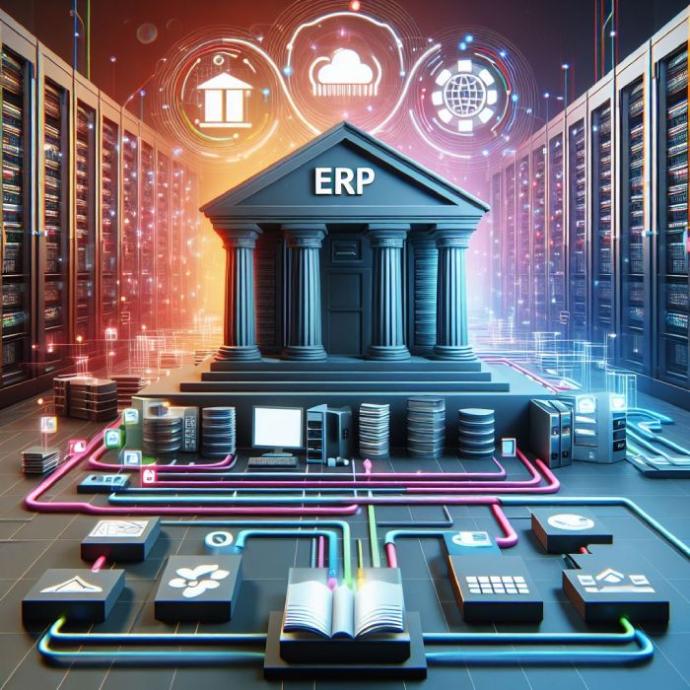
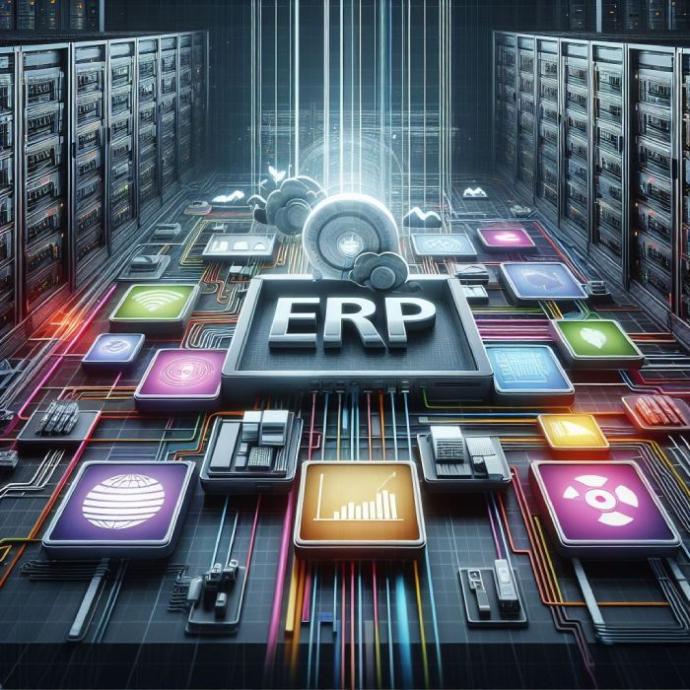
A modern ERP solution for an optimized IT system
To save hours of deployment and maintenance effort for your IT department, you need to carefully choose your new ERP solution. All management software for SMEs has its own unique characteristics, and some solutions are more restrictive than others in terms of hosting or updates, for example. If you want to satisfy every department in your organization, including IT, choose new-generation ERP systems that use a SaaS model. The cloud will significantly reduce the complexity of integrating the solution (and, as a result, your costs).
No more costly, time-consuming server maintenance to manage, as everything is handled online. The open-source aspect can also be highly beneficial, as it allows for more customized development. Open-source ERP solutions generally have their own highly dynamic communities of users and developers. They are therefore constantly evolving to keep pace with the latest technology and user trends. This ensures that you benefit from a management solution that evolves over time and aligns perfectly with the needs of your SME.
And, as R2D2 would say: "Beep-bee-bee-boopbee- doo-weep"
"With SLA, requesting you will be."
When drafting a new agreement with your integrator, be demanding in terms of your SLAs (Service Level Agreements). Review the terms and negotiate them if needed to make sure there are no nasty surprises." -Master Yoda's advice