
Pandemic, quarantine, economic crisis and SMEs at risk. How can you avoid bankruptcy? What should you do? What should you avoid?
The coronavirus pandemic is wreaking havoc on the economy, and small and medium-sized enterprises are no exception. Those that have not already closed their doors are at serious risk of having to do so.
During these changing times, SMEs must learn how to navigate a risky and constantly shifting environment. Whether due to government regulations or the virus itself, companies are living with concern for the health of their employees and, ultimately, their operations. Therefore, the managers of those companies that still carry out manual processes or rely on several different applications to keep track of them must start to develop a strategic plan that will integrate their processes into centralized systems, making it quick and easy to obtain information.
This plan will not only streamline business operations, but also improve understanding of the various data that make up the organization. This has a positive impact not only on the execution of day-to-day tasks, but also on your bottom line. This is especially true when you take into account the cross-cutting management of knowledge in times like these.
Global COVID-19 containment measures have had an obvious effect on economic activity. While some have managed to adapt, many SMEs around the world have had to close their doors because they were not equipped to face the challenges of an economy based on virtual channels, e-commerce and remote work.
Additionally, the vulnerabilities that are typical of SMEs are heightened in an environment where access to the market is restricted. As a result, many are looking to optimize their commercial management, since this goal is critical to the company’s survival under current conditions.
The current reality has further affected this primary goal, and business owners must seek greater interaction with, and understanding of, the ongoing wants and needs of their customers.
One mechanism that has been useful for many organizations is the establishment of an emergency committee to speed up decision-making during the pandemic. The emergency committee helps identify and capitalize on opportunities, and guide actions both in terms of market access and in the adaptation of new processes, products, and services.
From a technology perspective, most SMEs are quite behind. Their operations and administration rely on manual processes and minimal automation. Most of the time, their systems are not synchronized. The systems that control operations, as well as the accounting system, are fragmented. Not to mention the systems for costing, logistics, invoicing, etc., which are often maintained in Excel spreadsheets.
Without organized financial information, sales, costs, and so on, the ability to make timely, well-founded decisions is limited. However, discussions about technological advances raise many questions about implementation processes and, of course, about profitability and return on investment-especially as we move into a post-COVID-19 slowdown scenario like the one we are already seeing.
How ERP Can Support SMEs Through Emergencies
In this environment, the main concern for SMEs is rebuilding and getting back on track. While many workplaces already support remote work, some sectors are clearly more familiar with this model than others. Within companies, there are also departments-such as sales-for which working outside the office is nothing new. Other organizations, however, have had to adopt this model as their main growth strategy without being fully prepared for sudden change. Suggesting more flexible or remote work options has been challenging. That’s why it’s important for companies planning to move toward automated processes to create conditions where remote work is not only possible, but necessary and profitable.
Put simply, technology plays a critical role. Cloud-hosted ERP platforms are meeting expectations by providing immediate, simple, and secure access to essential information. They also make it possible for different operations-commercial, production, or financial-to interact without anyone needing to leave home. Cloud, SaaS, and pay-per-use models have shown, now more than ever, their advantages over far less flexible and scalable solutions, especially because they help organizations limit the spread of COVID-19.
COVID-19 will, paradoxically, drive change across the SME ecosystem, speeding up the adoption of cloud solutions and hybrid work models. In this context of disruptive change, the Odoo ERP has enabled remote access for all key company functions. This not only helps businesses achieve the stability they need to maintain continuity, but also to remain profitable in every one of their operations.


Cloud-based ERPs
In addition to the many services they offer, cloud-based ERPs provide exceptional transparency regarding the upfront costs involved in locally implementing IT infrastructure. This transparency also makes it easier to plan and control expenses-two key elements, especially at a time when companies must focus all their efforts on returning their businesses to a growth stage.
With a cloud-based ERP hosted on external servers, companies do not have to worry about maintenance costs or other technical and security issues. Your only cost is a predictable monthly subscription fee. Depending on your plan, this may also include all services associated with the software: maintenance, updates, security, training, technical support, and more. In this way, all company time and resources can be directed more towards innovation and growth.
Once the worst of this health crisis has passed, we will have to face the looming economic aftermath. Organizations that have opted for technological approaches will be able to operate more efficiently and be far more resilient to future and unexpected changes.
For SMEs looking for a solution that will perform well through challenging times, the first step is to learn about and choose the ERP solution that is best suited to their needs. They will also have to operate in an economic crisis scenario, in which they must remain competitive while carefully managing their budgets. They therefore need a business model that allows them to acquire and use new technologies, including their ERP systems, without a large upfront investment.Odoo ERP therefore stands out as one of the leading options within this new business model. Odoo is an easy-to-use, integrated enterprise resource management solution. Beyond its wide functional coverage, what makes the software stand out is how it applies its technology in ongoing developments and its commitment to providing additional services. This is further complemented by Odoo’s high level of flexibility and its ability to integrate with third-party platforms. Its scalability, security and functionality support business continuity during the pandemic and long afterward.
Discover the difference between SaaS and Cloud ERP
Factors to consider if a Cloud ERP is right for your organisation
The adoption of cloud ERP has been on the rise as more and more organisations realise that it is the most cost-effective, flexible and fastest way to deploy business applications without the need for substantial capital investments and additional IT resources. However, moving to a cloud model is an important decision, and there are several factors to consider when deciding if it is right for your organisation.
1. ASSESS THE TOTAL COST OF OWNERSHIP (TCO)
Organisations often make decisions based on incomplete or inaccurate information when evaluating local ERP costs. It is essential to consider your entire TCO, including costs of implementation, hardware maintenance, software licences, training and any hidden additional costs. Often, organisations do not consider the cost increase that could come with additional users, storage, transactions and other elements that can make cloud solutions very expensive. Each organisation must evaluate and quantify the TCO for each option and make an informed decision about their move to Cloud ERP.
2. EVALUATE CLOUD OPTIONS
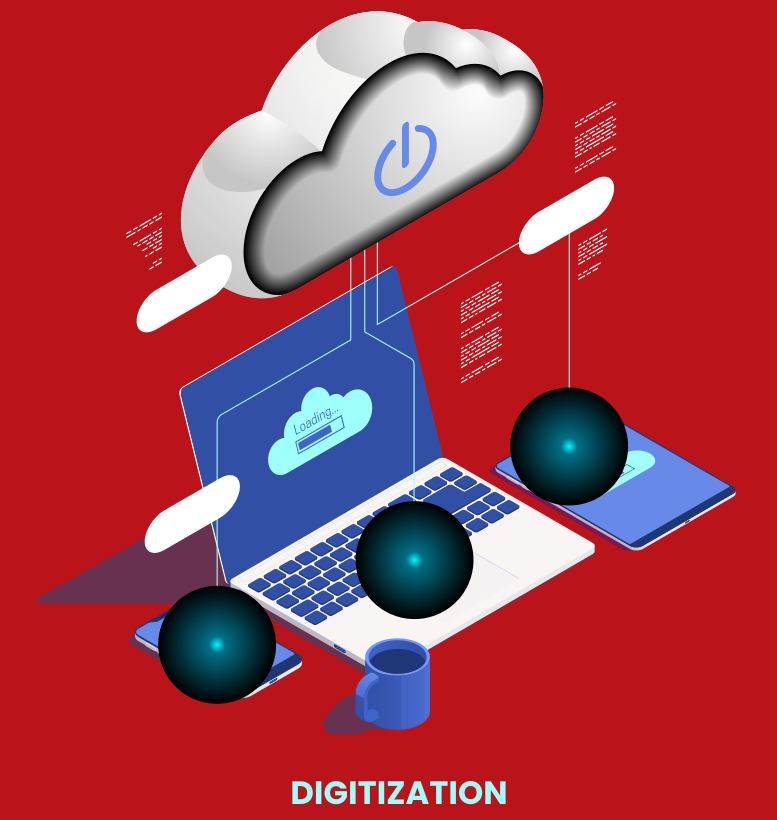
You should evaluate and choose from all of your available options, including SaaS, provider-provided hosting options for on-premises solutions, and third-party-hosted hybrid cloud options, based on your unique needs and business processes. In public clouds, you share the same hardware, storage, and network devices with other organizations or tenants of the cloud. Public clouds offer high scalability, high reliability, and no maintenance at lower costs. Private clouds are used exclusively by a company or organization. They provide more flexibility, improved security, and high-level scalability. Hybrid clouds combine local infrastructure, or private clouds, with public clouds and offer the best of both worlds. They provide greater control over your infrastructure, better flexibility, and ease of deployment.
3. DEVELOP A TRANSITION PLAN
Do you want to move all your applications or start with non-core business components? A hybrid approach to the cloud is often ideal for organizations using highly configurable systems that have been customized to meet their specific needs. When considering your applications for the cloud, ask the following questions:
- Which applications will deliver the most value by moving to the cloud?
- How will the move affect the functionality and customization of the application?
- What impact will the move have on your business processes?
- If an app costs little to manage internally, is there a benefit to moving it?
- How difficult would it be to move this app to a new platform?

Understand which business processes will be automated and assess whether the move would achieve the desired outcomes. It is crucial to consider the long-term impact your choice will have on your business.
4. PLAN THE MIGRATION OF YOUR DATA
Data migration is one of the most difficult parts of migrating to the cloud. Having a detailed plan and strategy can significantly simplify data migration. Identify the types of data that may be required to be stored or processed in the cloud. Examine data carefully for any inaccuracies, standardize data formats, and eliminate redundancies by cleaning your data.
Do your research and find out if the data migration procedure has worked well for other organizations like yours. Set clear guidelines on who has the right to create, approve, edit, or delete data from the source system, and document it in writing as part of your project plan. Oftentimes, dependencies between objects are not discovered until very late in the migration process, so make sure you have a workaround plan in place.
5. DEVELOP A CHANGE MANAGEMENT PLAN
Cloud ERP implementations can succeed or fail based on how well organizational change is managed. Your new Cloud ERP system is essential to achieving your business goals, so you need to ensure that users are properly trained and motivated to use it.
Effective change management supports users through the transition period after the new system goes live. Communicate key information clearly and engage employees throughout the cloud migration. Some existing processes and employee roles may change when you implement the new ERP system in the cloud. You should plan for employees to receive the training they need so they can adapt to these changes and get the most value from the new system. The benefits of Cloud ERP can only be fully realized when your employees embrace the process changes that come with implementing the new system.
Some key points we can draw from these critical months:
• Increased mobility and better insight into the business: enabling direct access to commercial platforms, financial management functions or specific real-time data from anywhere with internet access optimizes not only day-to-day operations but also overall profitability. Ensuring uninterrupted connectivity does not mean being connected all the time; it means supporting smooth collaboration and having the flexibility needed to respond with the agility and precision this new environment demands.
• Greater operational efficiency: working remotely, especially if you’re doing it for the first time, can be critical and, at the same time, challenging. Fortunately, cloud technology has really proven its value and has enabled 24/7 connectivity, allowing management teams to spend more time focusing on the most strategic aspects of their business. More detailed reports, analytical monitoring of profitability, and a closer relationship with customers, despite the distance, are all positive outcomes of the possibilities offered by the cloud.
• Virtual financial management: keeping control over operations and the day-to-day data in your business gives you the information you need to make accurate, real-time decisions.
• Priority on digital transformation: the pandemic has accelerated digital transformation processes for SMEs. For the first time, the need to implement more digital processes has been clearly demonstrated in real situations. As a result, medium-term forecasts for technology adoption, process automation and, more generally, digitization are more optimistic than ever.
In conclusion, SME managers and directors must take responsibility for strategic decisions such as acquiring the technologies that will help run their business processes. They must also understand the concepts of digital transformation, smart companies, and ERP systems and leverage these strategies to better face the challenges of this period.
Sign Up for Our Newsletter
Newsletters, e-Books and more! Receive all of Captivea's latest content

Captivea Odoo Gold Partner
We have extensive experience working with Odoo software implementations, and being an Odoo Gold Partner makes us a top choice for your next project.